Beneath Your Feet: The Buried Village of Lodge
You’d never know it, but beneath your feet rests a buried village…
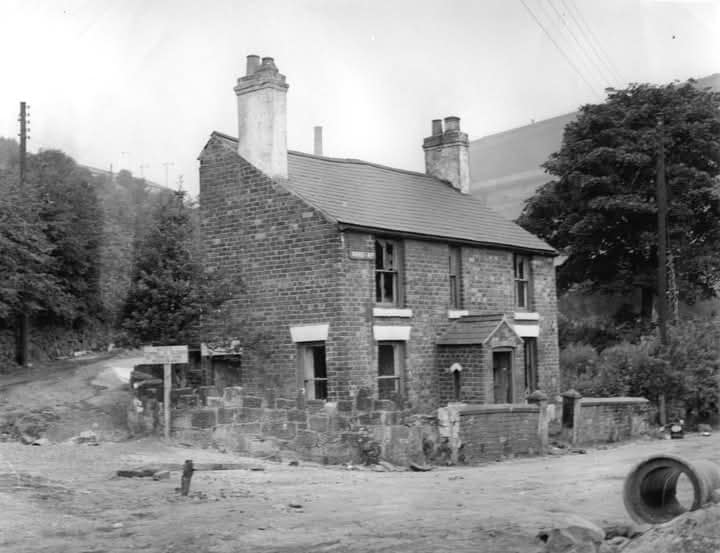
In 1972, the last of the old village of Lodge was submerged beneath mountains of soil—a sacrifice made to allow for the expansion of the Steelworks. Over 200 homes were buried, and with them, a culture and way of life disappeared.
The History of Lodge
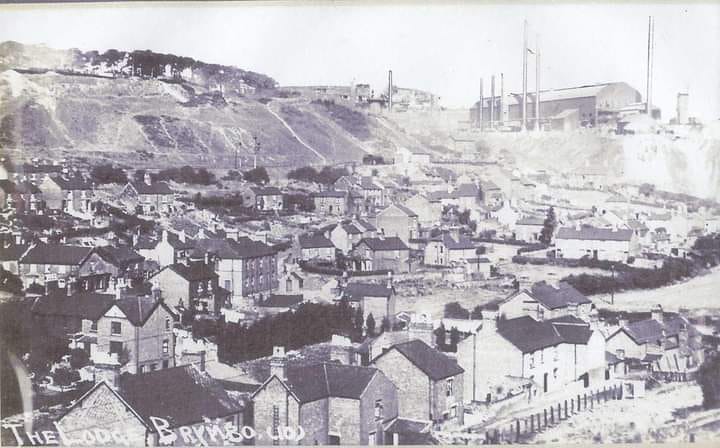
Named after its position at the entrance to the driveway of the 17th-century Brymbo Hall, Lodge had been an established village since the 1920s.
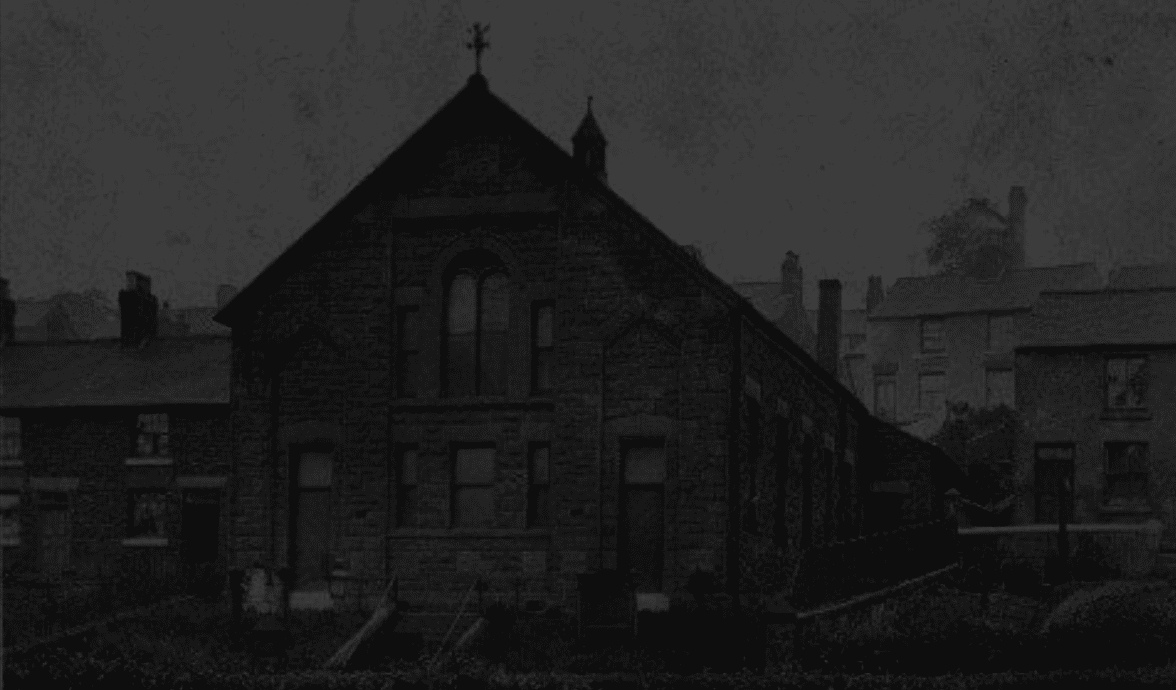
It was an ordinary Welsh village in many ways – a community of brick homes, small shops, a police station.
But thanks to the Temperance Movement of the 19th and 20th centuries, it did not include a single pub.
What it lacked for in public houses, it made up for in chapels. In just 45 acres, there were 4 chapels.
Life in the Lodge
The land of Lodge was purchased in 1855 by the Director of the Brymbo Ironworks.
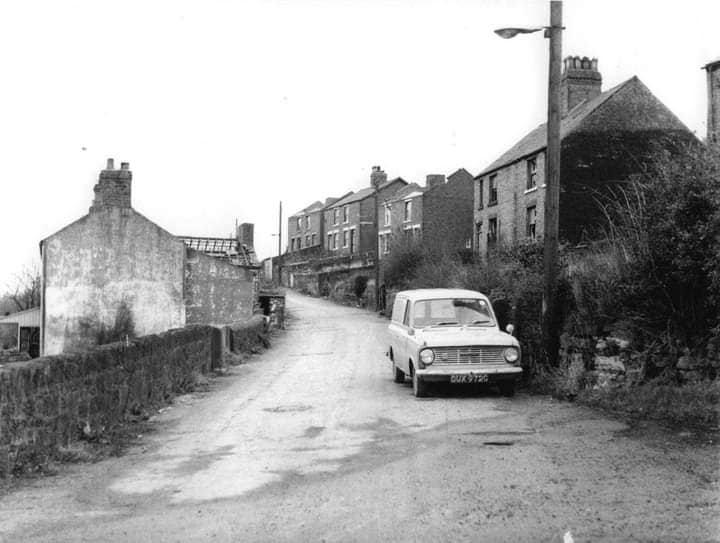
Almost immediately, the Works sold individual plots to workers, giving them the chance to build their own homes. It didn’t take long for the village to become the hub for a great amount of the workforce and their families after that.
The village grew into a thriving community, with greengrocers, butchers, a post office, a shoe repair shop, a doctor’s surgery, and even an undertaker.
Women bought bread from the bakery and cleaned the red dust from the workers’ clothes. Children played in the fields and collected sweets from the corner shop.
This way of life continued for another 150 years, until the village disappeared in 1972.
In the Shadows of the Steelworks
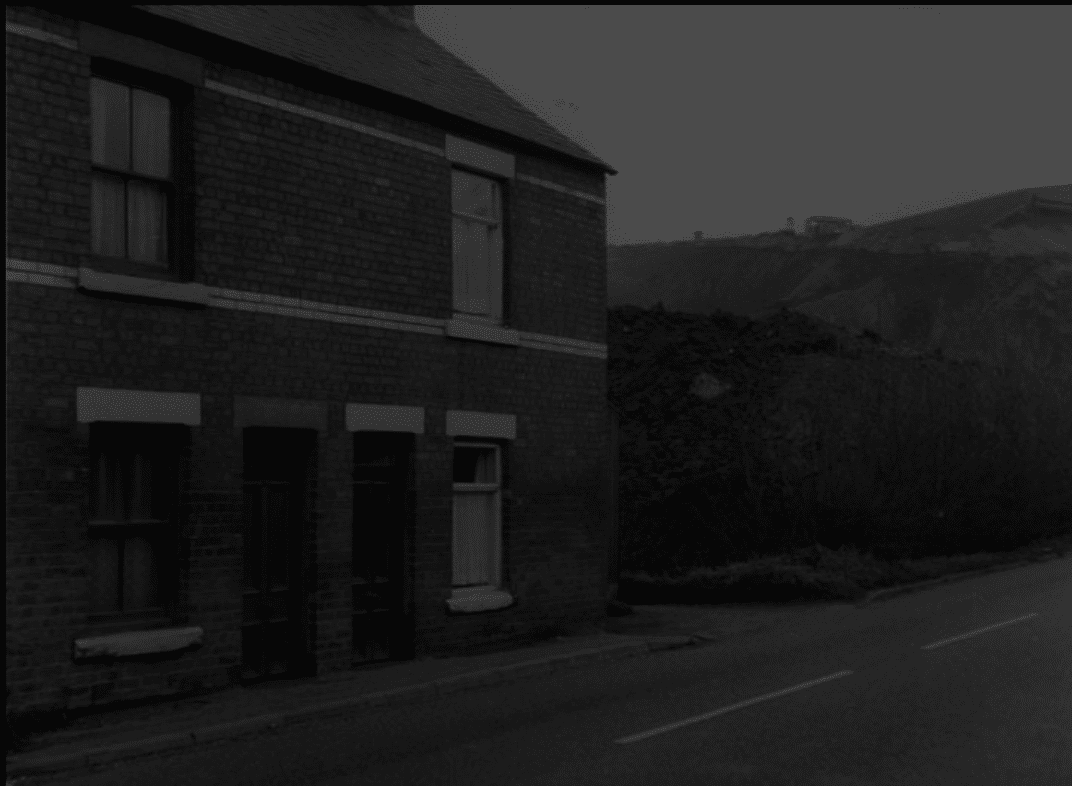
Life in Lodge in the 19th and 20th centuries was closely entwined with the Steelworks. Some houses were so close to the boundary that rubbish and by-products from the Works would come tumbling into their gardens, and even on some occasions, crashing through the houses themselves!
Red dust would also settle on every surface—from window ledges to washing. This dust wasn’t just a nuisance; it was dangerous. And if you lived in Lodge, it was inescapable. It wouldn’t be until years later that the effect of the dust on health would be fully known.
Rose, 1960s:
“I used to put my washing on the line, white, but when I brought it in I would have to shake it clean because it had turned red from the dust.”
It wasn’t just the dust that was ever-present. Lodge was a noisy place too. Your day would be marked by klaxons sounding the start and end of shifts, and the constant rumble of machinery and metal. Despite the noise and the nuisance, residents remember their lives in Lodge fondly. Many recall the magic of watching the sky over the houses glow red from the ‘slag’ tipping—the pouring of molten metal down the banks.
Despite the noise and the nuisance, residents remember their lives in Lodge fondly:
Being Rehomed
The clearance of the village of Lodge happened gradually from the 1950s until 1972.
Bit by bit, residents watched their village disappear.
But with each home they lost, they gained a new one.
Residents were provided with new homes, and many report that these were much better than the older, sometimes more dilapidated houses of Lodge.
Whilst for many it represented progress, lots of people never regained the same sense of community they had in Lodge.
Resident 1950s:
“When we moved we got electricity! The houses were much more modern and mum didn’t have to be cleaning up the dust every day.”
More Memories from Lodge Residents: