Iron Tracks and Steel Giants: The Story of Railways at Brymbo Steelworks
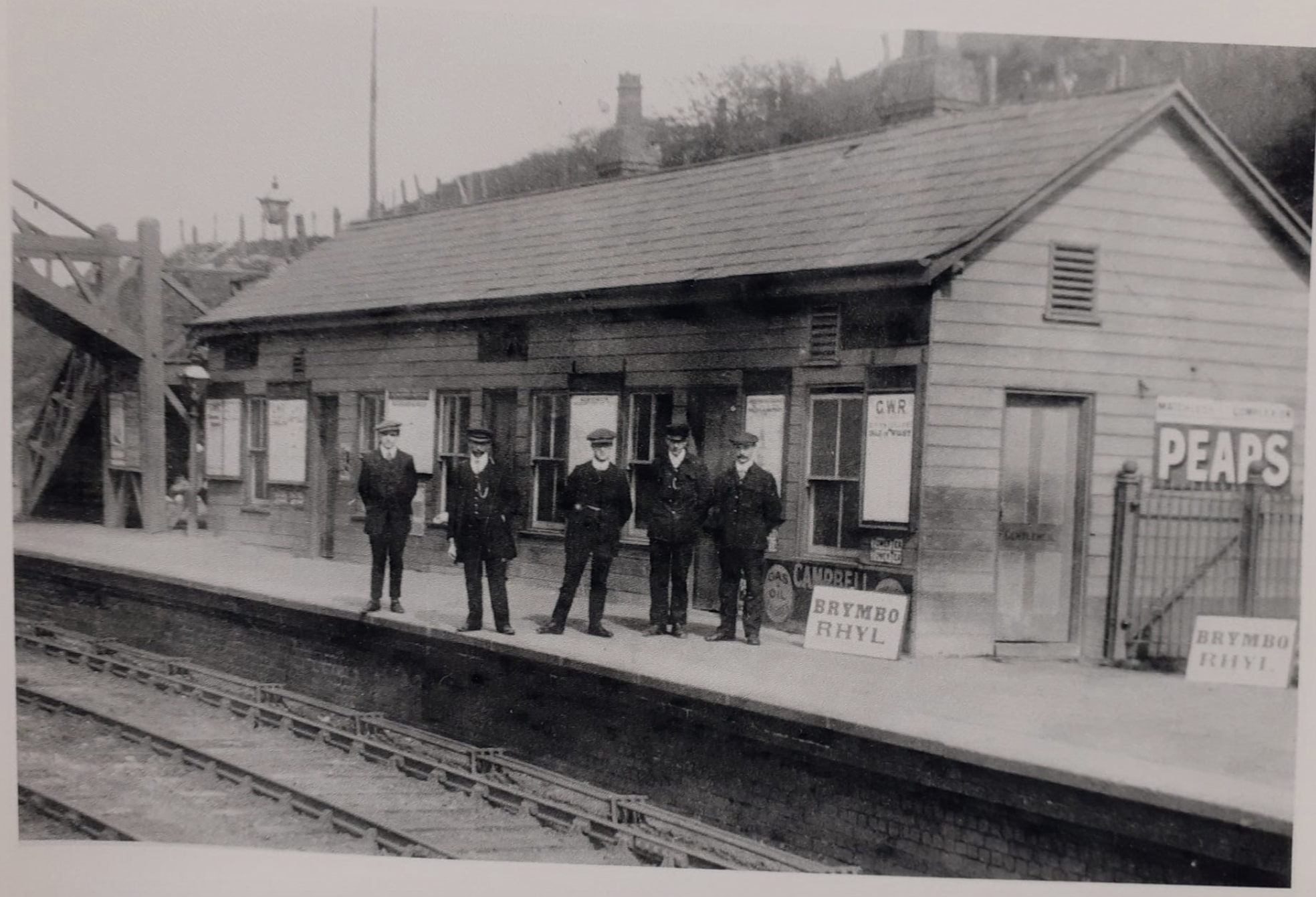
Brymbo’s steelworks began in 1796, founded by industrial pioneer John Wilkinson, known as “Iron Mad.” But it wasn’t until the arrival of railways in the mid-1800s that things truly exploded. As steel production grew, so did the need for fast, tough transport.
Trains didn’t just support the works.
They were the works
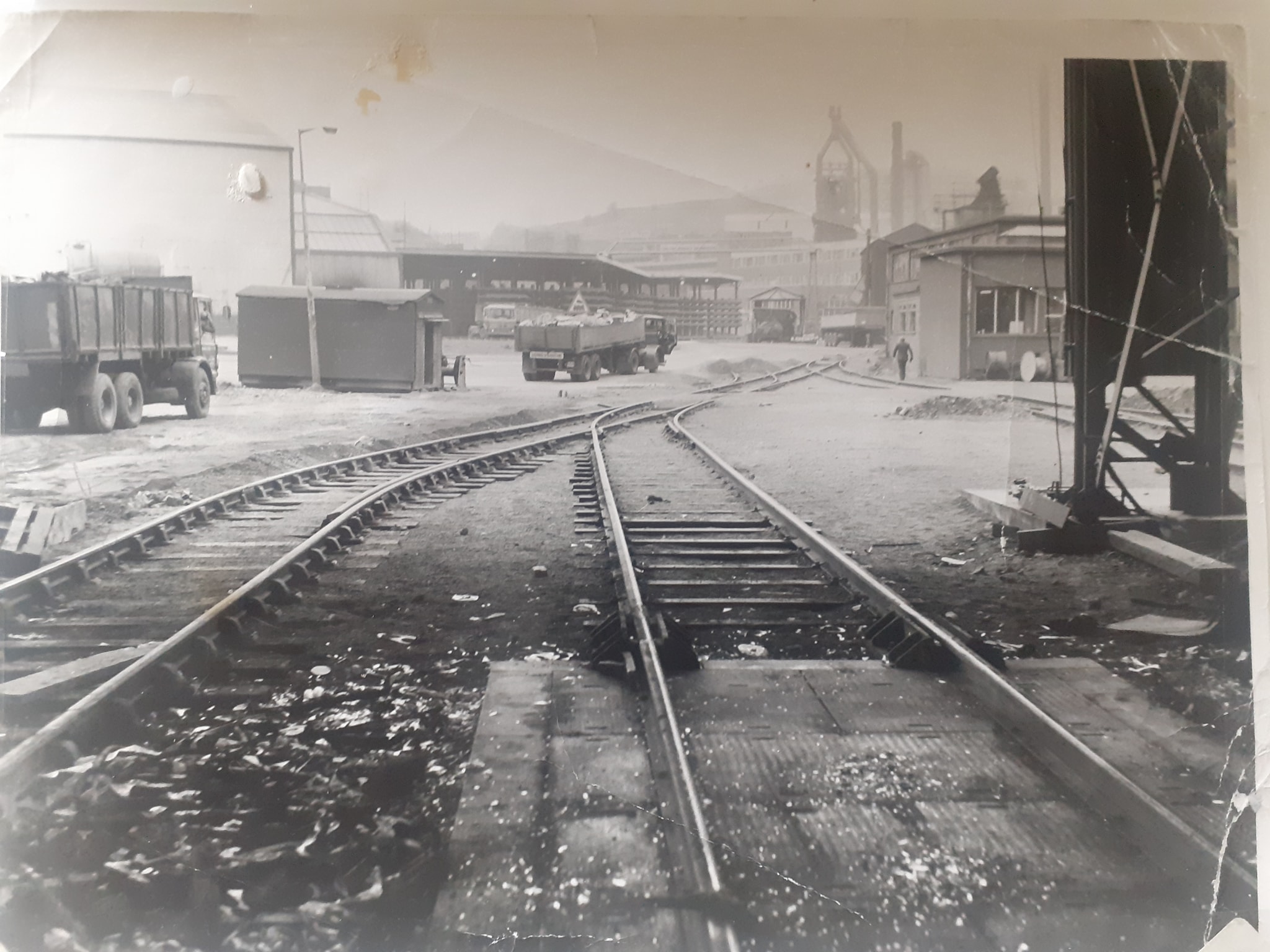
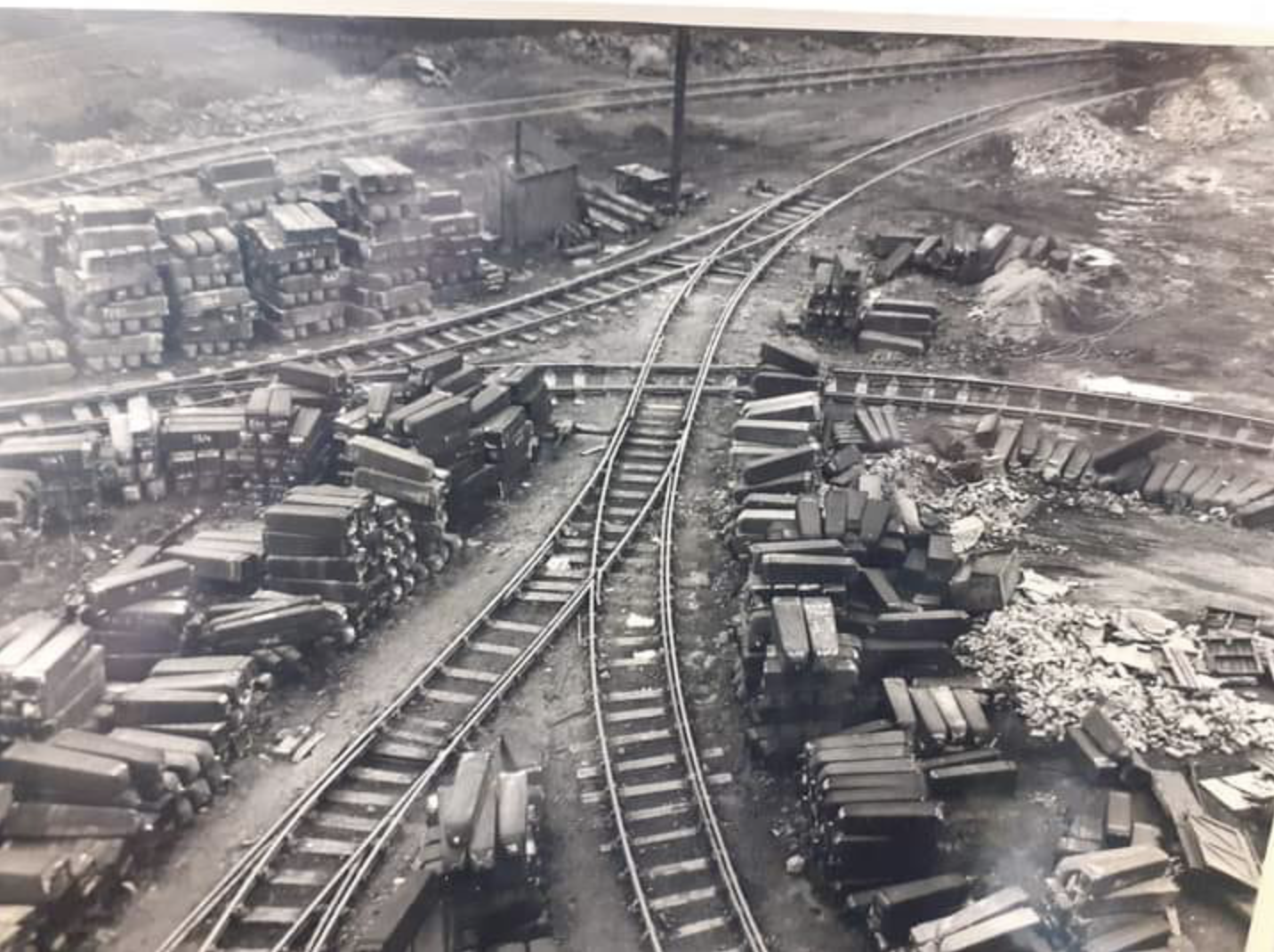
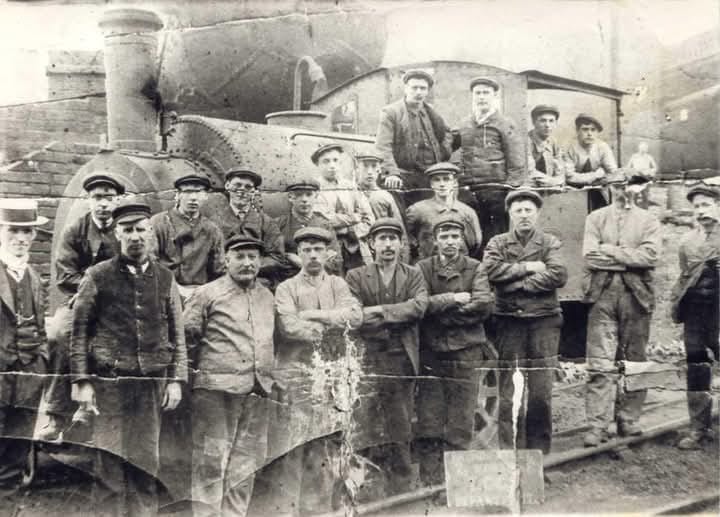
Inside the site, a maze of narrow-gauge railways connected every part of the works — moving raw materials like iron ore, coal, and limestone between furnaces, converters, and rolling mills. Finished products like girders, plates, and machine parts were loaded onto heavier wagons and sent far and wide — to London, Liverpool, Glasgow, and beyond.
Top 5 Rail Facts About Brymbo
Did You Know?
At its peak, Brymbo ran over a dozen locomotives day and night. Some wagons glowed orange from molten metal, part of a nonstop, puzzle-like railway keeping the furnaces alive.
Explore the Tracks
The railway may be gone, but its traces remain. Can you spot the past?
Look for:
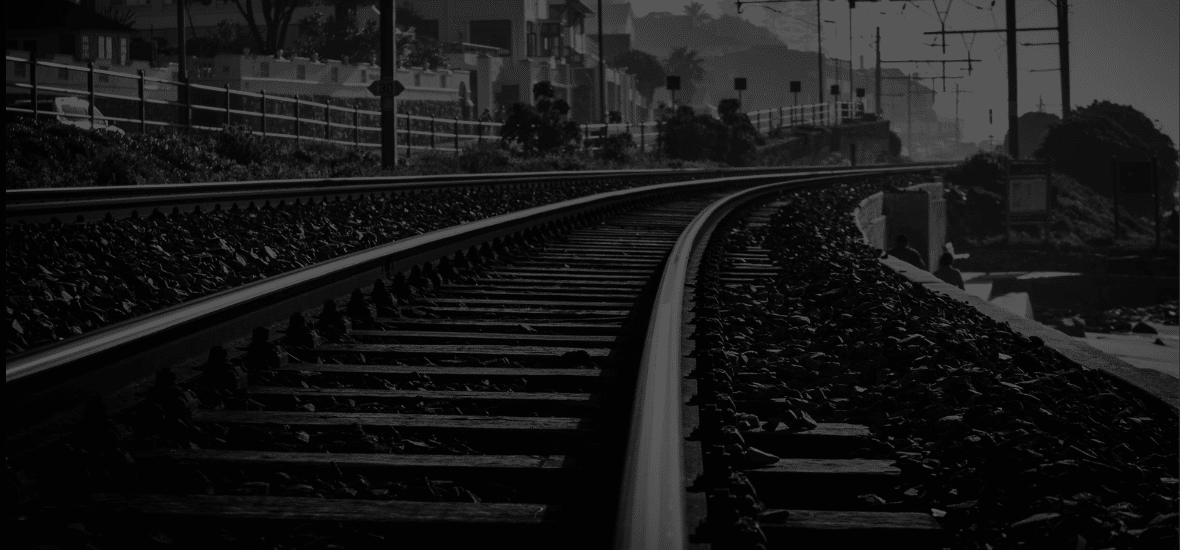
- Rusting rails poking through the grass
- Crumbling engine sheds and bridge supports
- The outlines of sidings where wagons were once loaded
Take a picture and share it with #BrymboTracks — help us map the hidden railway history of this incredible site!